

Lesen bevor Sie sich festlegen
Technisch tiefe Lektüre für Käufer, die Optionen vergleichen. Dieselbe direkte Stimme wie der Rest der Website — kein Marketing, nur was wir Menschen sagen, die fragen.
Was „Offshore-Hosting“ bedeutet
„Offshore-Hosting“ ist ein Marketing-Etikett, das ein bestimmtes Bündel an Eigenschaften meint — und es lohnt sich, präzise zu sein, was in diesem Bündel steckt, denn die billige Version des Begriffs wird von jedem Reseller mit einer litauischen Umsatzsteuer-Nummer verkauft, und fast keiner von ihnen liefert sie tatsächlich.
Ein echter Offshore-Hoster betreibt seinen Firmensitz außerhalb der 14-Eyes-Fernmeldeaufklärungssphäre — also außerhalb der USA, Großbritanniens, Kanadas, Australiens, Neuseelands, Frankreichs, Deutschlands, der Niederlande, Belgiens, Italiens, Spaniens, Schwedens, Dänemarks und Norwegens. BitVPS Ltd. ist aus diesem Grund in St. Kitts und Nevis eingetragen: eine Föderation, die Unternehmenssouveränität ernst nimmt und keinen MLAT-Kurzweg zu den USA hat.
Echtes Offshore-Hosting bedeutet außerdem kein KYC — eine E-Mail-Adresse (eine Wegwerf-Adresse genügt) ist das einzige Anmeldefeld. Es bedeutet ausschließlich Krypto-Zahlung — Monero und Bitcoin durchgängig, daneben mehrere andere — weil Fiat-Schienen einen Zahlungsabwickler zwischen Sie und den Anbieter setzen, und dieser Abwickler hat seinen eigenen Compliance-Appetit. Es bedeutet DMCA-Resistenz: a notice from a US copyright holder is logged for transparency, then ignored, because the United States DMCA has no force in Saint Kitts, in Iceland, in Romania.') ?>
Warum ist das wichtig? Weil die strukturellen Ränder des offenen Internets — Tor-Exits, Journalisten-Postfächer, Spiegelseiten, Archivierungsprojekte, kontroverse-aber-legale Kommentare, sanktioniertes-aber-legitimes Publizieren — nur offen bleiben, wenn jemand sich weigert, sie im Auftrag des Hosters zu kontrollieren. Die Leitfäden unten erklären, wie Sie das richtige Setup wählen, ohne sich vom Marketing einlullen zu lassen.
Wählen Sie die Frage, die Sie tatsächlich haben
Jeder Leitfaden ist eine fokussierte Lektüre zu einer Entscheidung. Querverweise in die Workload- und Preisseiten, wo die Antwort zutrifft.

VPS vs. dediziertes Bare-Metal: wann zu wechseln ist
Eine praktische Aufschlüsselung, wann KVM nicht mehr ausreicht und Bare-Metal sich zu bezahlen beginnt — mit konkreten Schwellenwerten, keinem Marketingtext.
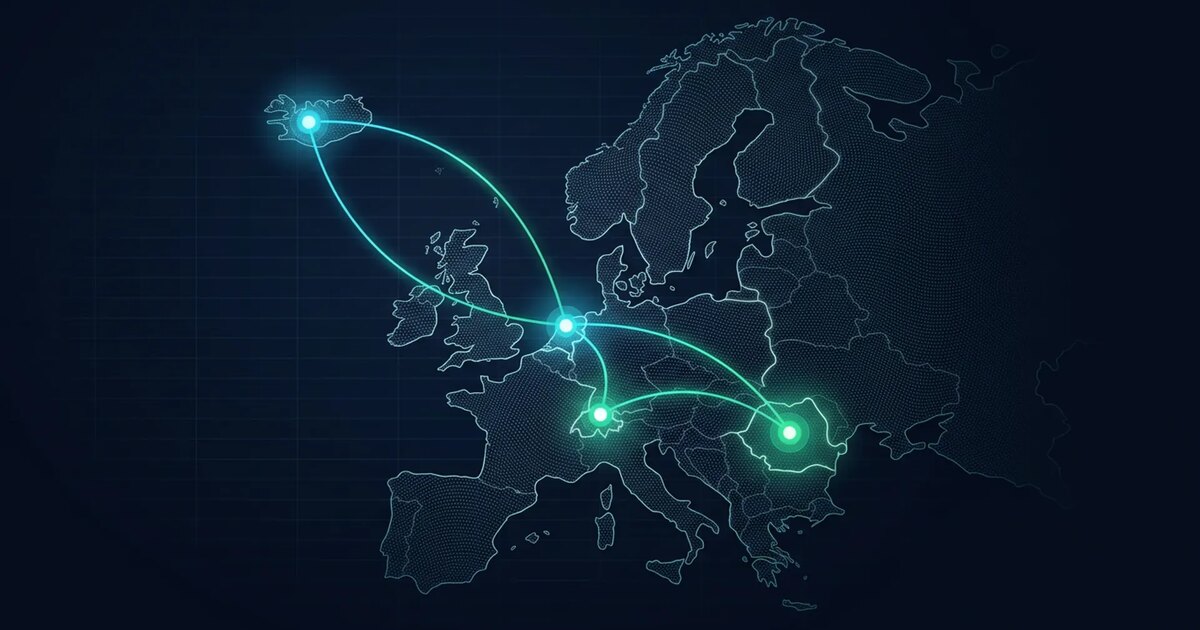
Eine Rechtsordnung wählen: Island, Niederlande, Rumänien, Schweiz
Ein direkter Vergleich unserer vier Offshore-Standorte anhand der Dimensionen, die tatsächlich wichtig sind — DMCA-Toleranz, Datenspeicherungsrecht, Peering-Reichweite, Latenz und Preis.

Für einen Server in beliebiger Kryptowährung bezahlen: wie es tatsächlich funktioniert
Eine Schritt-für-Schritt-Erklärung des Checkouts aus Kundensicht: Wählen Sie eine von 9 Kryptowährungen, erhalten Sie eine Einzahlungsadresse zu einem gesperrten Kurs, der Server wird bei der ersten Bestätigung bereitgestellt. Kein KYC, kein Konto-Linking, keine Fiat-Schiene.
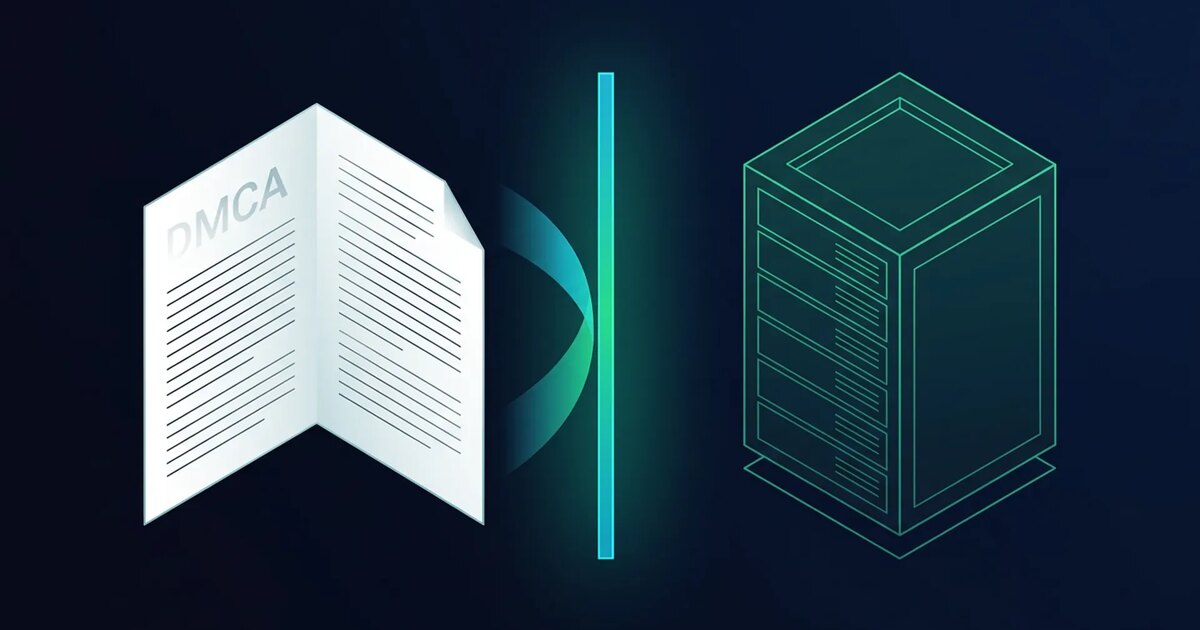
DMCA-ignoriertes Hosting erklärt: Was es rechtlich und operativ tatsächlich bedeutet
Eine präzise Aufschlüsselung dessen, was „DMCA-ignoriert" nach US-, EU- und karibischem Recht bedeutet — was ein Host ignorieren kann, was nicht, und wie Takedown-Workflows auf Offshore-Infrastruktur tatsächlich ablaufen.

Bitcoin vs Monero für die Bezahlung Ihrer Hosting-Rechnung: welches verwenden, und warum
Ein praktischer Vergleich der Bezahlung von Offshore-Hosting in Bitcoin vs Monero — Gebühren, Abwicklungszeit, On-Chain-Nachverfolgbarkeit, Exchange-Routen und welches zu Ihrem Bedrohungsmodell passt.

Is offshore hosting legal? (yes — and here's the nuance)
A direct legal explainer on the question every new offshore-hosting customer asks first — what is and is not legal, who is liable for what, and where the real boundaries sit.

Jurisdictions that ignore DMCA notices — a 2026 reference
A working reference of which hosting jurisdictions fall outside DMCA reach in 2026 — what each will and will not honour, and what process replaces a takedown notice locally.

How to host a website anonymously in 2026
A practical six-step playbook for standing up a website without leaving identifying metadata — host, domain, payment, network, content, and deploy hygiene.

The 14-Eyes alliance, explained — what it means for hosting
A precise explainer on the Five/Nine/14 Eyes intelligence-sharing alliance — origin, members, what they share, and how it actually shapes offshore hosting choices.

What "no-KYC hosting" actually means in 2026
A precise explainer on the term every privacy-focused hosting site uses — what KYC is, where it came from, what no-KYC providers do not collect, and the honest limits of the model.

How to pay for a VPS with Monero (XMR) — a 2026 walkthrough
A step-by-step walkthrough of paying for a VPS with Monero in 2026 — wallet picks, fee priority, confirmation times, and what happens behind the scenes when XMR settles.

Ist ein VPS anonym? Wie rückverfolgbar Krypto-Hosting wirklich ist
Eine ehrliche Bestandsaufnahme dessen, was ein No-KYC-Hoster über Sie sehen kann und was nicht — Zahlungsspur, Verbindungs-IP, die Inhalte, die Sie bereitstellen — und die drei unterschiedlichen Bedeutungen von "anonym", die dabei gern durcheinandergeworfen werden.

Was ist Bulletproof Hosting? (Und wie es sich von DMCA-ignored unterscheidet)
Der Begriff "Bulletproof Hosting" wird locker und oft unredlich verwendet. Hier erfahren Sie, wo er wirklich herkommt, warum die meisten Angebote, die ihn benutzen, Betrug oder Honeypots sind, und wo die präzise Grenze zu legitimem DMCA-ignored Offshore-Hosting verläuft.

So kaufen Sie einen VPS mit USDT (TRC-20 oder ERC-20) — kein KYC, keine Volatilität
Bezahlen Sie einen Offshore-VPS in Tether — USDT auf Tron (TRC-20) oder Ethereum (ERC-20). Gebühren unter einem Cent, Finalität in einer Minute, kein Ausweis. Und der ehrliche Teil: was ein Stablecoin verbergen kann und was nicht — und wann Monero die bessere Wahl ist.

Was „DDoS-geschützter VPS“ wirklich bedeutet — Scrubbing, Null-Routes und das Kleingedruckte
Zwei Wörter auf einer Tarifkarte decken zwei entgegengesetzte Verhaltensweisen ab: den Angriff absorbieren oder Ihre IP aus dem Internet zurückziehen. Wie Sie erkennen, was Sie da kaufen, wie groß reale Angriffe tatsächlich sind, und was auf der eigenen Box noch selbst erledigt werden muss.

Full-Disk-Encryption auf einem VPS: LUKS, Remote-Unlock und was eine Beschlagnahmung tatsächlich wiederherstellt
Die Festplatte eines gemieteten Servers zu verschlüsseln lohnt sich – und tut nicht das, was die meisten Leute glauben. Wo die Grenze zwischen einer ausgeschalteten und einer laufenden Maschine tatsächlich verläuft, wie man ein verschlüsseltes Root-Dateisystem installiert und per SSH entsperrt, und was ein abgezogenes Festplattenimage wirklich preisgibt.

Eigener Mailserver auf dem VPS: Port 25, PTR & warum Mails im Spam landen
Ein eigener Mailserver ist schnell installiert – zugestellt wird er dadurch noch lange nicht. PTR-Eintrag, SPF, DKIM, DMARC & Port 25 entscheiden, ob Ihre Mail ankommt.

.onion-Seite hosten: Onion-Dienste, v3-Adressen und die Leaks, die sie verraten
Eine .onion-Seite hosten, ohne je eine IP preiszugeben: torrc in zehn Zeilen, Client-Autorisierung und die Leaks, die Onion-Dienste wirklich enttarnen.

Selbst gehostetes VPN auf einem VPS: WireGuard in zehn Minuten — und der Datenschutz, den er wirklich bringt
Ein VPN versteckt Sie nicht — es verschiebt nur, wer Sie beobachten kann. Was dieser Tausch wert ist, wenn der Exit der eigene Server ist: die fünfzehn Zeilen WireGuard, mit denen er steht, und die vier Lecks, die den gerade gebauten Tunnel still umgehen.

VPS härten: die ersten fünfzehn Minuten auf einem neuen Server
Die acht Änderungen, die das Risiko eines frischen VPS tatsächlich senken, und die Reihenfolge dafür — warum Sie sich selbst eher aussperren, als dass jemand eindringt.

VPS migrieren ohne Ausfallzeit: Umschaltung, DNS und Rollback
Die Reihenfolge, die einen Live-Server in Sekunden Ausfallzeit statt einem Wochenende auf einen neuen VPS umzieht — plus dem Notfallweg, falls der alte Anbieter den Stecker gezogen hat.

Selbst gehosteter BTCPay Server auf einem VPS: Bitcoin und Lightning akzeptieren ohne Zahlungsabwickler
Was es wirklich braucht, um einen eigenen Krypto-Checkout auf einem Server zu betreiben, den Sie selbst kontrollieren — die Festplatte und die Synchronisierung, an denen kein Weg vorbeiführt, die Schlüsselarchitektur, die Sie nur ein einziges Mal festlegen, die Lightning-Liquidität, vor der Ihnen niemand warnt, und das Backup, das Ihre Kanäle zerstört, wenn Sie es falsch wiederherstellen.

Selbst gehostetes Nextcloud auf einem VPS: Google Drive durch einen Server ersetzen, den Sie kontrollieren
Was der Betrieb der eigenen Dateisynchronisierung und -freigabe wirklich kostet — wie Sie Festplatte und Datenbank bemessen, bevor Sie sich für eine Größe festlegen, die vier Einstellungen, die aus einer trägen Standardinstallation etwas machen, das sich wie ein fertiges Produkt anfühlt, was jedes der drei unterschiedlichen Dinge, die „Verschlüsselung" heißen, tatsächlich schützt, und die Wiederherstellung, die Sie proben müssen, bevor Sie sie brauchen.

VPS-Backup und -Restore: verschlüsselt, Off-site und tatsächlich getestet
Snapshots sind keine Backups, und ein Backup, das noch nie wiederhergestellt wurde, ist eine Hypothese. Was Sie kopieren sollten und was nicht, warum Datenbanken einen Dump statt einer Kopie brauchen, wie Sie auf dem Server verschlüsseln, bevor irgendetwas ihn verlässt, warum das Repository append-only sein muss, wo die zweite Kopie hingehört, wenn Ihr Anbieter Sie nicht identifizieren kann — und die Übung, die aus alldem einen Plan macht.

Domain anonym registrieren: WHOIS, Registrar und die Ebene, die Sie verrät
Eine Domain lässt sich nicht so leicht anonymisieren wie ein Server: Sie bleibt eine verlängerbare Miete bei einer Firma, die einem Gericht auf einem anderen Kontinent Rechenschaft schuldet — selbst wenn der Server offshore steht, in Monero bezahlt und unerreichbar ist. Was WHOIS nach der Schwärzung noch speichert, warum die Wahl der TLD zugleich eine Wahl der Rechtsordnung ist, wie sich Privacy-Add-on, Proxy-Registrierung und Treuhand-Eigentum wirklich unterscheiden, womit Sie zahlen sollten — und die Lecks (Zertifikatsprotokolle, passives DNS, eine Staging-Subdomain aus 2024), die einen sauberen Namen wieder mit einer Person verknüpfen.
Offshore-Hosting — häufig gestellte
Was es ist, ob es legal ist, welche Jurisdiktionen man wählen sollte und was Offshore-Hoster tatsächlich als Zahlung akzeptieren.
What is offshore hosting?
Is no-KYC hosting legal?
Which jurisdiction is safest for offshore hosting?
What payment methods do offshore hosts accept?
Genug gelesen? Workload wählen
Jede Workload-Seite listet die richtige Plan-Stufe, die richtige Rechtsordnung und eine sysadmin-taugliche FAQ auf.