

Leitura antes de confirmar
Leituras técnicas aprofundadas para compradores que comparam opções. A mesma voz direta que o resto do site — sem marketing, apenas o que dizemos a quem pergunta.
O que significa "hospedagem offshore"
"Hospedagem offshore" é um rótulo de marketing que passou a significar um conjunto específico de propriedades — e vale a pena ser preciso sobre o que está nesse conjunto, porque a versão barata do termo é vendida por todo o revendedor com um número de IVA lituano e quase nenhum deles a entrega de facto.
Um verdadeiro host offshore opera com domicílio societário fora da esfera de inteligência de sinais dos 14-Eyes — isto é, fora dos EUA, do Reino Unido, do Canadá, da Austrália, da Nova Zelândia, da França, da Alemanha, dos Países Baixos, da Bélgica, da Itália, da Espanha, da Suécia, da Dinamarca e da Noruega. A BitVPS Ltd. está constituída em São Cristóvão e Nevis por essa razão: uma federação que leva a soberania societária a sério e não tem atalho MLAT para os EUA.
A verdadeira hospedagem offshore também significa sem KYC — um endereço de e-mail (um descartável serve) é o único campo de registo. Significa pagamento apenas em cripto — Monero e Bitcoin universalmente, com vários outros ao lado — porque os carris fiduciários colocam um processador de pagamentos entre si e o fornecedor, e esse processador tem o seu próprio apetite de conformidade. Significa resistência à DMCA: a notice from a US copyright holder is logged for transparency, then ignored, because the United States DMCA has no force in Saint Kitts, in Iceland, in Romania.') ?>
Porque é que isto importa? Porque as margens estruturais da internet aberta — saídas Tor, caixas de correio de jornalistas, sites espelho, projetos de arquivo, comentário controverso mas legal, publicação sancionada mas legítima — só permanecem abertas quando alguém se recusa a policiá-las em nome do host. Os guias abaixo explicam como escolher a configuração certa sem ser enrolado pelo marketing.
Escolha a dúvida que você realmente tem
Cada guia é uma leitura focada em uma decisão. Com links cruzados para as páginas de carga de trabalho e preços onde a resposta se aplica.
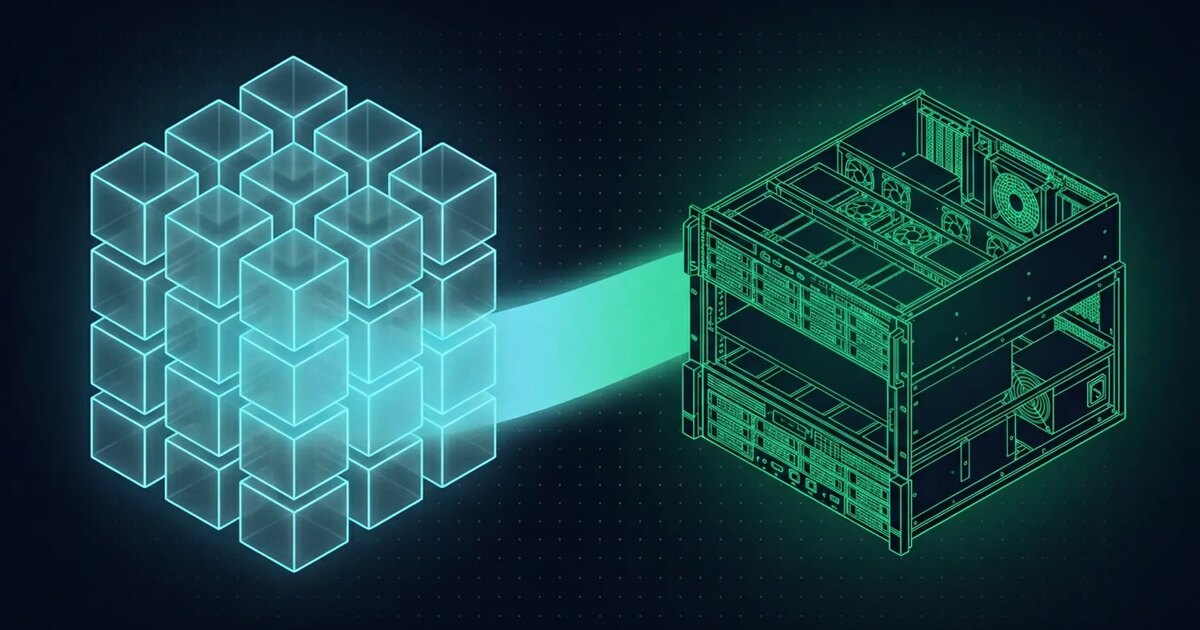
VPS vs. bare-metal dedicado: quando migrar
Uma análise prática de quando o KVM deixa de ser suficiente e o bare-metal começa a se pagar — com limites concretos, não copy de marketing.
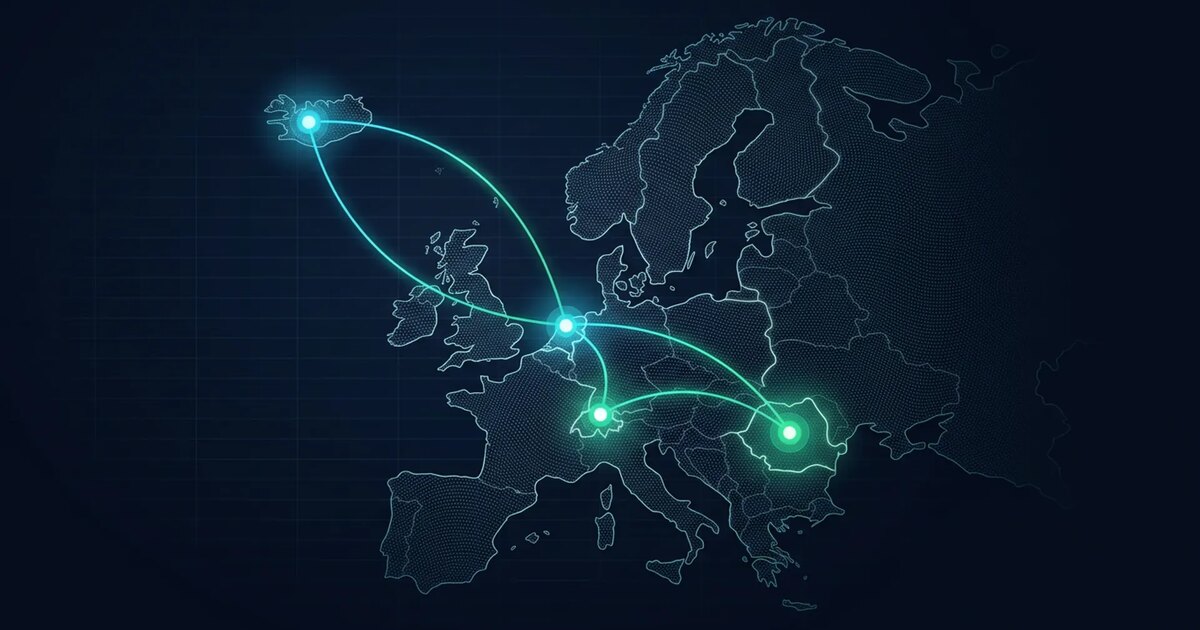
Escolhendo uma jurisdição: Islândia, Países Baixos, Romênia, Suíça
Uma comparação direta de nossos quatro locais offshore nas dimensões que realmente importam — tolerância a DMCA, lei de retenção de dados, alcance de peering, latência e preço.

Pagar um servidor em qualquer criptomoeda: como funciona na prática
Um passo a passo do checkout pelo lado do cliente: escolha qualquer uma das 8 moedas, receba um endereço de depósito com taxa travada, o servidor é provisionado na primeira confirmação. Sem KYC, sem vinculação de conta, sem trilhos fiat.
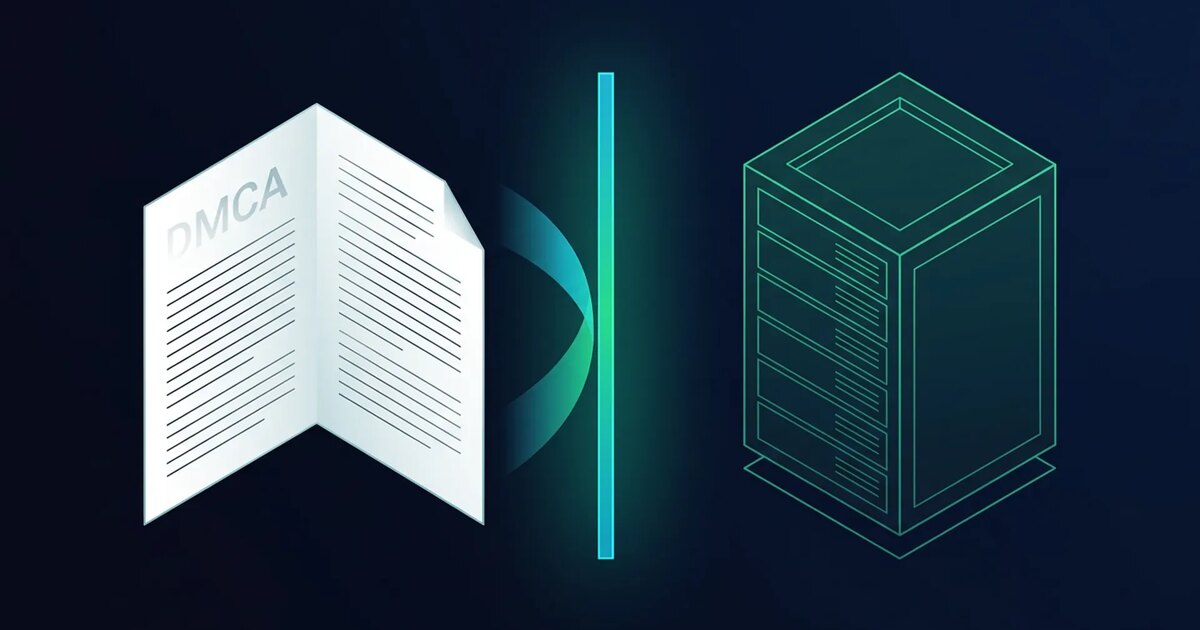
Hospedagem com DMCA ignorado explicada: o que realmente significa, jurídica e operacionalmente
Um detalhamento preciso do que "DMCA ignorado" significa sob a lei dos Estados Unidos, da UE e do Caribe — o que um host pode ignorar, o que não pode, e como os fluxos de remoção realmente funcionam em infraestrutura offshore.

Bitcoin vs Monero para pagar sua fatura de hospedagem: qual usar, e por quê
Uma comparação prática de pagar hospedagem offshore em Bitcoin vs Monero — taxas, tempo de liquidação, rastreabilidade on-chain, rotas de exchange e qual se encaixa no seu modelo de ameaça.

Is offshore hosting legal? (yes — and here's the nuance)
A direct legal explainer on the question every new offshore-hosting customer asks first — what is and is not legal, who is liable for what, and where the real boundaries sit.

Jurisdictions that ignore DMCA notices — a 2026 reference
A working reference of which hosting jurisdictions fall outside DMCA reach in 2026 — what each will and will not honour, and what process replaces a takedown notice locally.

How to host a website anonymously in 2026
A practical six-step playbook for standing up a website without leaving identifying metadata — host, domain, payment, network, content, and deploy hygiene.

The 14-Eyes alliance, explained — what it means for hosting
A precise explainer on the Five/Nine/14 Eyes intelligence-sharing alliance — origin, members, what they share, and how it actually shapes offshore hosting choices.

What "no-KYC hosting" actually means in 2026
A precise explainer on the term every privacy-focused hosting site uses — what KYC is, where it came from, what no-KYC providers do not collect, and the honest limits of the model.

How to pay for a VPS with Monero (XMR) — a 2026 walkthrough
A step-by-step walkthrough of paying for a VPS with Monero in 2026 — wallet picks, fee priority, confirmation times, and what happens behind the scenes when XMR settles.

Um VPS é anônimo? O quanto a hospedagem cripto é realmente rastreável
Um mapa honesto do que uma hospedagem sem KYC consegue e não consegue ver sobre você — o rastro de pagamento, o IP de conexão, o conteúdo que você serve — e os três tipos distintos de "anônimo" que as pessoas confundem.

O que é hospedagem à prova de balas? (E como ela difere da hospedagem que ignora DMCA)
O termo "hospedagem à prova de balas" é usado de forma solta e, muitas vezes, desonesta. Aqui está de onde ele realmente vem, por que a maioria dos anúncios que o usam são golpes ou honeypots, e a linha precisa que o separa de uma hospedagem offshore legítima que ignora o DMCA.

Como comprar uma VPS com USDT (TRC-20 ou ERC-20) — sem KYC, sem volatilidade
Pague uma VPS offshore em Tether — USDT na Tron (TRC-20) ou na Ethereum (ERC-20). Taxas de menos de um centavo, finalidade em um minuto, sem identificação. E a parte honesta: o que uma stablecoin consegue e não consegue esconder, e quando o Monero é a escolha certa.

O que "VPS protegido contra DDoS" realmente significa — scrubbing, null-routes e a letra miúda
Duas palavras no cartão de um plano cobrem dois comportamentos opostos: absorver o ataque ou retirar o seu IP da internet. Como saber qual dos dois você está comprando, qual é o tamanho real dos ataques de verdade, e o que ainda precisa ser corrigido na sua própria máquina.

Criptografia de disco completo em um VPS: LUKS, desbloqueio remoto e o que uma apreensão realmente recupera
Criptografar o disco de um servidor alugado vale a pena e não faz o que a maioria das pessoas pensa que faz. Onde fica a linha entre uma máquina desligada e uma em execução, como instalar uma raiz criptografada e desbloqueá-la via SSH, e o que a imagem de um disco realmente revela.

Servidor de e-mail próprio em VPS: porta 25, DNS reverso e por que o e-mail cai no spam
Servidor de e-mail em VPS: fácil de instalar, difícil de entregar. O que os provedores checam primeiro, por que o IP pesa mais, e como alinhar SPF, DKIM e DMARC.

Como hospedar um site .onion: serviços onion, endereços v3 e os vazamentos que desmascaram
Como hospedar um serviço .onion: o rendezvous, as linhas do torrc, a autorização de clientes e os vazamentos que já desmascararam mais serviços do que o próprio Tor.

VPN auto-hospedada em um VPS: WireGuard em dez minutos, e a privacidade que ela realmente compra
Uma VPN não esconde você — ela desloca quem pode observá-lo. O que essa troca vale quando a saída é o seu próprio servidor, as quinze linhas de WireGuard que colocam um túnel de pé, e os quatro vazamentos que contornam silenciosamente o túnel que você acabou de construir.

Checklist de hardening de VPS: os primeiros 15 minutos em um servidor novo
As oito mudanças que realmente reduzem o risco de um VPS novo, na ordem certa para aplicá-las — porque se trancar para fora é bem mais provável do que ser invadido.

Migrar para um novo VPS sem downtime: o corte, o DNS e o rollback
A ordem de operações que leva um servidor ativo a um novo host em segundos de downtime, e não um fim de semana — mais o caminho de emergência para quando o provedor antigo já desligou tudo.

BTCPay Server auto-hospedado em um VPS: aceite Bitcoin e Lightning sem processador
O que realmente é preciso para rodar o seu próprio checkout cripto em um servidor que você controla — o disco e a sincronização que você não consegue evitar, a arquitetura de chaves que você decide uma única vez, a liquidez Lightning sobre a qual ninguém avisa, e o backup que vai destruir os seus canais se você o restaurar do jeito errado.

Nextcloud auto-hospedado em um VPS: substituindo o Google Drive por um servidor que você controla
Quanto custa realmente rodar seu próprio serviço de sincronização e compartilhamento de arquivos — como dimensionar o disco e o banco de dados antes de se comprometer com qualquer um dos dois, as quatro configurações que transformam uma instalação padrão lenta em algo que parece um produto, o que cada uma das três coisas chamadas de "criptografia" realmente protege, e a restauração que você precisa ensaiar antes de precisar dela.

Backup e restauração de VPS: criptografado, remoto e realmente testado
Snapshots não são backups, e um backup que nunca foi restaurado é uma hipótese. O que copiar e o que deixar de fora, por que bancos de dados precisam de dump em vez de cópia, como criptografar no servidor antes que qualquer coisa saia dele, por que o repositório precisa ser somente acréscimo, onde deve ficar a segunda cópia quando seu provedor não consegue identificá-lo — e o ensaio que transforma tudo isso em um plano.

Como registrar um domínio anonimamente: WHOIS, registradores e a camada que te entrega
Um domínio sem WHOIS visível exige mais do que um servidor offshore pago em Monero: o domínio continua sendo um arrendamento renovável de uma empresa que responde a um tribunal em outro continente. O que o WHOIS ainda guarda depois da redação, por que escolher uma TLD é escolher uma jurisdição, como complementos de privacidade, registro por proxy e titularidade fiduciária realmente se diferenciam, com o que pagar, e os vazamentos — logs de certificados, DNS passivo, um subdomínio de staging de 2024 — que reconectam um nome limpo a uma pessoa.
Hospedagem offshore — perguntas frequentes
O que é, se é legal, que jurisdições escolher e o que os hosts offshore aceitam de facto como pagamento.
O que é hospedagem offshore?
Is no-KYC hosting legal?
Which jurisdiction is safest for offshore hosting?
What payment methods do offshore hosts accept?
Leu o suficiente? Escolha uma carga de trabalho
Cada página de carga de trabalho lista o tier de plano certo, a jurisdição certa e um FAQ de nível sysadmin.