

Reading before you commit
Deep technical reads for buyers comparing options. The same direct voice as the rest of the site — no marketing, just what we tell people who ask.
What "offshore hosting" means
"Offshore hosting" is a marketing label that has come to mean a specific bundle of properties — and it is worth being precise about what is in the bundle, because the cheap version of the term is sold by every reseller with a Lithuanian VAT number and almost none of them actually deliver it.
A real offshore host operates with corporate domicile outside the 14-Eyes signals-intelligence sphere — that is, outside the US, UK, Canada, Australia, New Zealand, France, Germany, the Netherlands, Belgium, Italy, Spain, Sweden, Denmark and Norway. BitVPS Ltd. is incorporated in Saint Kitts and Nevis for that reason: a federation that takes corporate sovereignty seriously and has no MLAT shortcut to the US.
Real offshore hosting also means no KYC — an email address (a disposable one is fine) is the only signup field. It means crypto-only payment — Monero and Bitcoin universally, with several others alongside — because fiat rails put a payment processor between you and the provider, and that processor has its own compliance appetite. It means DMCA-resistance: a notice from a US copyright holder is logged for transparency, then ignored, because the United States DMCA has no force in Saint Kitts, in Iceland, in Romania.') ?>
Why do these matter? Because the structural margins of the open internet — Tor exits, journalist mailboxes, mirror sites, archival projects, controversial-but-legal commentary, sanctioned-but-legitimate publishing — only stay open when somebody refuses to police them on the host's behalf. The guides below explain how to pick the right setup without getting marketing-talked.
Pick the question you actually have
Each guide is a focused read on one decision. Cross-linked into the workloads and pricing pages where the answer applies.

VPS vs dedicated bare-metal: when to switch
A practical breakdown of when KVM stops being enough and bare-metal starts paying for itself — with concrete thresholds, not marketing copy.
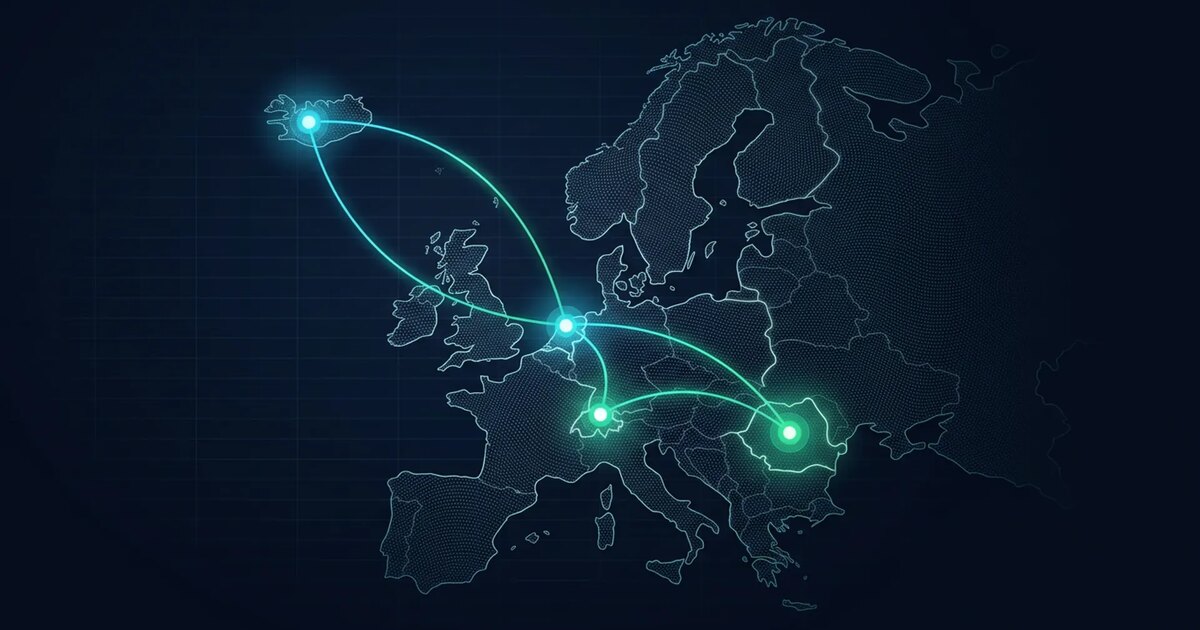
Choosing a jurisdiction: Iceland, Netherlands, Romania, Switzerland
A direct comparison of our four offshore locations on the dimensions that actually matter — DMCA tolerance, data retention law, peering reach, latency, and price.

Paying for a server in any cryptocurrency: how it actually works
A walk-through of the checkout from the customer side: pick any of 8 coins, get a deposit address at a locked rate, the server provisions on first confirmation. No KYC, no account linking, no fiat rail.
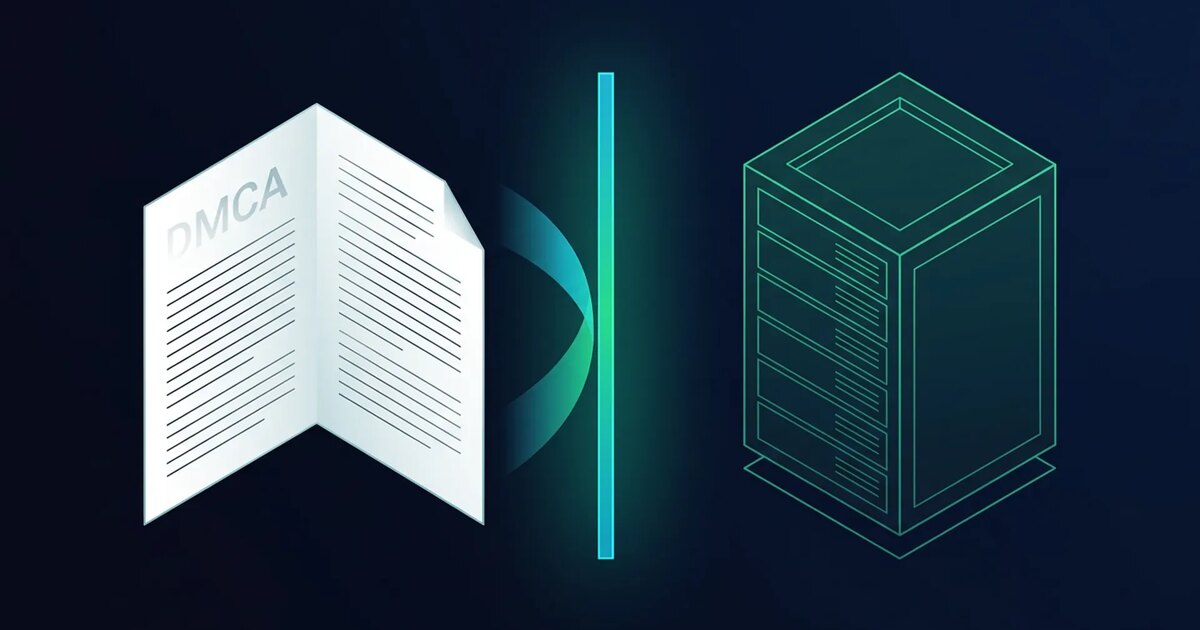
DMCA-ignored hosting explained: what it actually means, legally and operationally
A precise breakdown of what "DMCA-ignored" means under US, EU and Caribbean law — what a host can ignore, what they cannot, and how takedown workflows actually run on offshore infrastructure.

Bitcoin vs Monero for paying your hosting bill: which one to use, and why
A practical comparison of paying for offshore hosting in Bitcoin vs Monero — fees, settlement time, on-chain traceability, exchange routes, and which one fits your threat model.

Is offshore hosting legal? (yes — and here's the nuance)
A direct legal explainer on the question every new offshore-hosting customer asks first — what is and is not legal, who is liable for what, and where the real boundaries sit.

Jurisdictions that ignore DMCA notices — a 2026 reference
A working reference of which hosting jurisdictions fall outside DMCA reach in 2026 — what each will and will not honour, and what process replaces a takedown notice locally.

How to host a website anonymously in 2026
A practical six-step playbook for standing up a website without leaving identifying metadata — host, domain, payment, network, content, and deploy hygiene.

The 14-Eyes alliance, explained — what it means for hosting
A precise explainer on the Five/Nine/14 Eyes intelligence-sharing alliance — origin, members, what they share, and how it actually shapes offshore hosting choices.

What "no-KYC hosting" actually means in 2026
A precise explainer on the term every privacy-focused hosting site uses — what KYC is, where it came from, what no-KYC providers do not collect, and the honest limits of the model.

How to pay for a VPS with Monero (XMR) — a 2026 walkthrough
A step-by-step walkthrough of paying for a VPS with Monero in 2026 — wallet picks, fee priority, confirmation times, and what happens behind the scenes when XMR settles.

Is a VPS anonymous? How traceable crypto hosting really is
An honest map of what a no-KYC host can and cannot see about you — payment trail, connection IP, the content you serve — and the three separate kinds of "anonymous" people conflate.

What is bulletproof hosting? (And how DMCA-ignored differs)
The term "bulletproof hosting" is thrown around loosely and often dishonestly. Here is where it actually comes from, why most listings using it are scams or honeypots, and the precise line between it and legitimate DMCA-ignored offshore hosting.

How to buy a VPS with USDT (TRC-20 or ERC-20) — no KYC, no volatility
Pay for an offshore VPS in Tether — USDT on Tron (TRC-20) or Ethereum (ERC-20). Sub-cent fees, one-minute finality, no ID. Plus the honest part: what a stablecoin can and cannot hide, and when Monero is the better call.

What a "DDoS-protected VPS" actually means — scrubbing, null-routes and the fine print
Two words on a plan card cover two opposite behaviours: absorbing the attack, or withdrawing your IP from the internet. How to tell which one you are buying, how big real attacks actually are, and what still has to be fixed on your own box.

Full-disk encryption on a VPS: LUKS, remote unlock, and what a seizure actually recovers
Encrypting the disk of a rented server is worth doing and does not do what most people think it does. Where the line falls between a powered-off machine and a running one, how to install an encrypted root and unlock it over SSH, and what an imaged disk really gives up.

Self-hosted mail server on a VPS: port 25, rDNS, and why your mail still lands in spam
Running your own mail server stopped being hard to install and stayed hard to deliver. What receivers check and in what order, why the IP matters more than your config, how SPF, DKIM and DMARC alignment really works, and when self-hosting is the wrong tool.

How to host a .onion site: onion services, v3 addresses, and the leaks that unmask them
An onion service is the only way to publish something without publishing an IP address. How the rendezvous actually works, the ten torrc lines that bring one up, client authorisation, and the application-level leaks that have unmasked far more services than Tor ever has.

Self-hosted VPN on a VPS: WireGuard in ten minutes, and the privacy it actually buys
A VPN does not hide you — it moves the person who can watch you. What that trade is worth when the exit is your own server, the fifteen lines of WireGuard that bring one up, and the four leaks that quietly route around the tunnel you just built.

VPS hardening checklist: the first fifteen minutes on a new server
The eight changes that actually reduce risk on a fresh VPS, in the order to make them — and why the lockout you cause yourself is far likelier than the intrusion you are worried about.

Migrating to a new VPS without downtime: the cutover, the DNS and the rollback
The order of operations that moves a live server to a new host in seconds of downtime rather than a weekend — plus the emergency path for when the old provider has already pulled the plug.

Self-hosted BTCPay Server on a VPS: accept Bitcoin and Lightning without a processor
What it actually takes to run your own crypto checkout on a server you control — the disk and sync you cannot avoid, the key architecture you decide once, the Lightning liquidity nobody warns you about, and the backup that will destroy your channels if you restore it wrong.

Self-hosted Nextcloud on a VPS: replacing Google Drive with a server you control
What running your own file sync and share actually costs — sizing the disk and the database before you commit to either, the four settings that turn a sluggish default install into something that feels like a product, what each of the three things called "encryption" really protects, and the restore you have to rehearse before you need it.

VPS backup and restore: encrypted, off-site, and actually tested
Snapshots are not backups, and a backup nobody has ever restored is a hypothesis. What to copy and what to skip, why databases need dumping rather than copying, how to encrypt on the server before anything leaves it, why the repository has to be append-only, where the second copy belongs when your provider cannot identify you — and the rehearsal that turns all of it into a plan.

How to register a domain anonymously: WHOIS, registrars, and the layer that gives you away
Your server can be offshore, paid in Monero and beyond anyone's reach while your domain is a renewable lease from a company that answers to a court on another continent. What WHOIS still records after redaction, why picking a TLD is picking a jurisdiction, how privacy add-ons, proxy registration and trustee ownership actually differ, what to pay with, and the leaks — certificate logs, passive DNS, a staging subdomain from 2024 — that reattach a clean name to a person.
Offshore hosting — frequently asked
What it is, whether it's legal, which jurisdictions to pick, and what offshore hosts actually accept as payment.
What is offshore hosting?
Is no-KYC hosting legal?
Which jurisdiction is safest for offshore hosting?
What payment methods do offshore hosts accept?
Read enough? Pick a workload
Each workload page lists the right plan tier, the right jurisdiction, and a sysadmin-grade FAQ.